
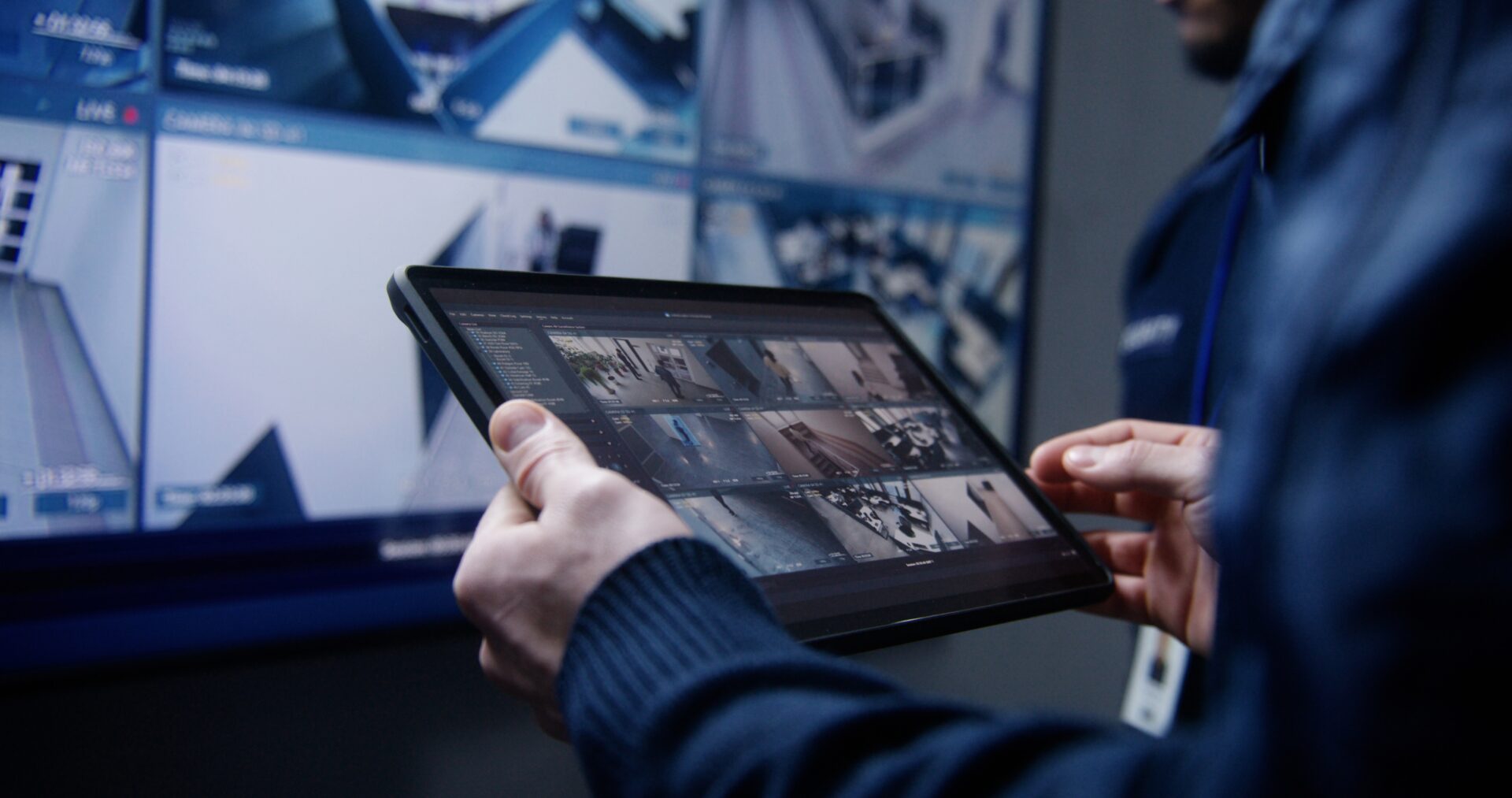



Gyms and leisure facilities present a unique set of security challenges. Unlike many commercial premises, they combine high footfall, extended opening hours and a constant flow of members, staff and visitors. Equipment is valuable, access is often self-managed and some areas require careful consideration of privacy. CCTV plays a vital role in protecting these environments, but it must be designed thoughtfully to address the specific risks faced by the leisure sector.
For operators across the UK, security is not just about preventing theft. It is about safeguarding members, protecting staff, maintaining reputation and ensuring smooth day-to-day operations.
High Footfall and Open Access Risks
Most gyms operate long hours, with many offering 24-hour access. While this flexibility is attractive to members, it increases exposure to risk. Unmanned periods can create opportunities for unauthorised entry, anti-social behaviour or misuse of facilities.
Reception areas and access points are particularly vulnerable. Even with membership systems in place, tailgating and unauthorised access remain common challenges. CCTV positioned at entry and exit points provides clear visibility of who enters and leaves the premises.
When integrated with access control systems, surveillance footage can verify that entry credentials are being used appropriately. In facilities operating outside staffed hours, live monitoring adds another layer of reassurance, ensuring suspicious behaviour is identified and addressed promptly.
Theft of Personal Belongings and Equipment
Gyms contain high-value equipment, from cardio machines and free weights to specialist training gear. In addition, members often bring personal belongings such as phones, wallets and car keys. Theft can damage trust and harm a facility’s reputation.
Strategically positioned CCTV in training areas, corridors and locker room entrances helps deter opportunistic theft. Visible cameras alone often reduce incidents by reinforcing accountability.
It is important, however, to respect privacy. Cameras must never be installed inside changing cubicles or shower areas. Placement should focus on communal spaces and access points rather than private areas. Guidance from the Information Commissioner’s Office CCTV guidance provides clear expectations around proportionality and privacy.
By balancing deterrence with compliance, gyms can create a secure yet comfortable environment.
Managing Anti-Social Behaviour
Occasional disputes, aggressive behaviour or misuse of equipment can occur in busy gyms. CCTV assists management in reviewing incidents objectively and resolving complaints fairly.
Clear footage can clarify what happened during a disagreement between members or in the event of alleged misconduct. This protects both customers and staff by ensuring decisions are based on evidence rather than conflicting accounts.
In facilities offering youth memberships or hosting classes for younger participants, safeguarding becomes even more important. Cameras in communal areas support accountability while reinforcing that behaviour standards are monitored.
Surveillance is not about creating a hostile atmosphere. When implemented professionally, it reassures members that safety is taken seriously.
Health and Safety Monitoring
Leisure facilities carry inherent health and safety responsibilities. Slips, trips and equipment misuse can lead to injuries. CCTV supports incident review and helps identify patterns that may indicate operational improvements are needed.
For example, repeated minor accidents in a specific area may suggest poor layout or maintenance issues. Reviewing footage allows management to make informed adjustments.
In swimming pools and larger leisure centres, surveillance assists lifeguards and supervisors by providing wider visibility. Cameras should never replace trained staff, but they can enhance oversight in high-traffic environments.
By supporting health and safety compliance, CCTV becomes more than a theft deterrent. It contributes to risk management and operational refinement.
After-Hours Security and Monitoring
Unmanned gyms present one of the most significant challenges in the leisure sector. Facilities that operate around the clock often rely heavily on technology to maintain security during overnight periods.
Standalone recording systems may capture incidents, but they cannot intervene. Integrating CCTV with remote monitoring enables real-time response. Suspicious behaviour can trigger immediate review, and operators can issue live audio warnings if necessary.
For facilities located on retail parks or industrial estates, perimeter coverage and car park surveillance are equally important. Vehicle crime and vandalism can occur outside main entrances. Extending camera coverage beyond internal areas enhances overall protection.
Monitoring ensures that security does not switch off when staff leave.
Balancing Privacy With Protection
Gym environments require careful handling of privacy concerns. Members expect discretion, particularly in changing areas and private zones. A professional CCTV risk assessment ensures cameras are positioned only where appropriate.
Clear signage should inform members that surveillance is in operation. Retention periods must be defined, and access to footage restricted to authorised personnel.
Industry bodies such as UK Active industry standards guidance emphasise safeguarding and operational responsibility within leisure facilities. Aligning CCTV policy with recognised standards reinforces credibility and compliance.
Transparency builds trust. When members understand that surveillance exists for their safety, concerns are often reduced.
Supporting Multi-Site Gym Operators
Many gym operators manage multiple locations. Maintaining consistent security standards across sites can be challenging. Integrated CCTV systems allow central oversight while preserving local management control.
Remote access enables head office teams to review incidents without physical attendance. Monitoring services can support multiple branches from a single control centre, improving efficiency and response time.
Scalable infrastructure also ensures that new sites can be added without redesigning the entire network. As gym chains expand, flexible security systems grow with them.
Consistency across locations strengthens brand reputation and operational resilience.
Integrating CCTV With Wider Security Measures
CCTV is most effective when combined with complementary systems. Access control, alarm systems and secure membership technology work alongside surveillance to create layered protection.
Entry barriers, controlled turnstiles and digital membership authentication reduce unauthorised access. CCTV verifies compliance and provides evidential support if needed.
Lighting, particularly in car parks and external walkways, enhances camera performance and deters criminal activity. Integration ensures that each component reinforces the others rather than operating independently.
Layered security reduces reliance on any single system.
Protecting Reputation and Member Confidence
In the leisure sector, reputation is everything. News of theft or unsafe conditions spreads quickly through social media and online reviews. CCTV supports reputation management by demonstrating a proactive commitment to safety.
Clear incident resolution based on footage reduces disputes and prevents misinformation. Members feel reassured knowing that the facility prioritises their wellbeing.
At Inspired CCTV (NE) Ltd, we understand that gyms are community spaces as much as commercial premises. Security systems must enhance the member experience rather than undermine it.
When designed professionally, CCTV blends seamlessly into the environment while providing powerful protection.
Creating a Safer, More Secure Leisure Environment
Gym and leisure facilities face a combination of high footfall, extended access hours and valuable assets. These factors create risks that require more than basic surveillance.
CCTV, when thoughtfully designed and integrated, addresses theft, anti-social behaviour, health and safety concerns and after-hours vulnerability. It supports compliance, strengthens operational oversight and reinforces member confidence.
Security in leisure environments is not about intrusive monitoring. It is about creating a safe space where members can train, relax and participate with peace of mind.
When implemented as part of a wider strategy, CCTV becomes a practical and essential tool in safeguarding modern gym and leisure facilities.