
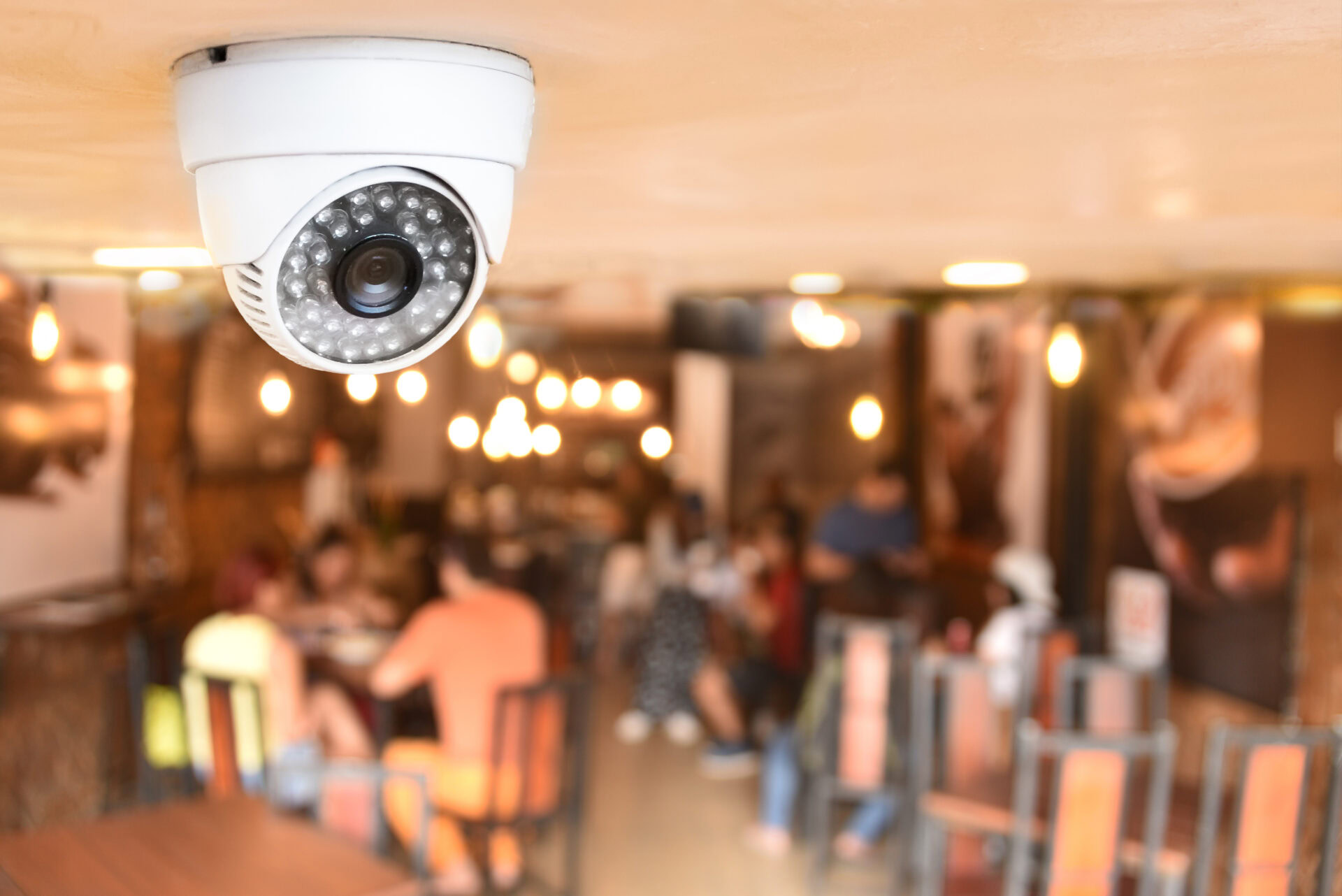



For many years, installing CCTV cameras was considered the ultimate step in securing a business premises. Cameras were mounted, recorders installed and the job was viewed as complete. While CCTV remains a vital component of commercial security, it is no longer sufficient on its own. Threats have evolved, risks have become more complex and businesses now face challenges that extend beyond what a standalone camera system can manage.
Modern business security requires integration, strategy and layered protection. CCTV plays an important role, but relying on it alone can leave significant gaps.
The Limits of Passive Surveillance
Traditional CCTV systems are designed to record activity. They capture footage that can be reviewed after an incident occurs. This provides valuable evidence for investigations, insurance claims and internal reviews. However, evidence after the fact does not prevent the initial loss or disruption.
If a warehouse is broken into overnight and the system records the event clearly, the footage may assist police enquiries. Yet the damage has already been done. Stock has been stolen, operations disrupted and insurance claims initiated.
Cameras observe. They do not intervene. Without monitoring or additional security measures, CCTV functions as a reactive tool rather than a preventative one.
Criminal Behaviour Has Become More Sophisticated
Modern criminals are increasingly aware of CCTV systems. They study camera positions, test blind spots and use disguises or obstruction tactics. In some cases, they act quickly, knowing that recording alone will not result in immediate intervention.
Businesses must therefore think beyond visibility. While cameras deter opportunistic crime, determined offenders often exploit weaknesses in isolated systems.
This is particularly relevant for industrial estates, logistics hubs and large retail parks where response times may be slower. A system that records but does not respond leaves a window of opportunity.
Layered security reduces that opportunity significantly.
The Importance of Real-Time Monitoring
One of the clearest limitations of standalone CCTV is the absence of immediate response. Live monitoring transforms surveillance into active protection. When trained operators observe suspicious behaviour, they can act instantly.
This may involve issuing live audio warnings, contacting keyholders or notifying emergency services. In many cases, the knowledge that someone is actively watching is enough to deter intruders before they escalate their actions.
For businesses storing high-value goods or operating across multiple sites, monitoring adds a critical layer of protection. It bridges the gap between observation and action.
Without monitoring, CCTV remains passive.
Integrating Access Control Systems
Access control is another area where CCTV alone falls short. Cameras can show who entered a building, but they cannot restrict entry. Access control systems manage who can enter specific areas and at what times.
When integrated, CCTV and access control create accountability. Entry logs can be cross-referenced with footage to verify authorised access. Suspicious activity can be identified quickly.
In office environments, data centres and restricted industrial areas, access control significantly strengthens overall security. Cameras support oversight, but controlled entry prevents many incidents from occurring in the first place.
Security is most effective when systems work together.
The Role of Perimeter Protection
Perimeter security often determines whether an incident occurs at all. Fencing, controlled gates, lighting and alarmed boundaries create physical and psychological barriers.
CCTV positioned at perimeter points can detect activity, but without integrated alarms or monitoring, response may be delayed. Modern perimeter systems use motion detection, beam sensors and automated alerts to trigger immediate review.
For large commercial premises, especially those operating outside standard hours, perimeter protection forms the first line of defence. CCTV supports it, but cannot replace it.
Ignoring perimeter security while relying solely on cameras leaves sites vulnerable.
Cybersecurity and Digital Risk
Business security is no longer limited to physical threats. Networked CCTV systems themselves can become targets if not properly secured. Poorly configured devices may expose businesses to cyber risk.
Secure configuration, encrypted data transmission and regular firmware updates are essential. Guidance from the National Cyber Security Centre guidance for small businesses highlights the importance of protecting connected devices.
Modern security strategies must therefore consider both physical and digital risk. Cameras connected to insecure networks can create vulnerabilities rather than solve them.
An integrated approach ensures that CCTV systems are protected as part of wider IT infrastructure.
The Human Factor in Security
Even the most advanced technology depends on human oversight. Staff awareness, clear procedures and defined escalation processes are critical. CCTV alone cannot enforce policy or respond to emergencies.
Training staff to understand security protocols enhances the effectiveness of surveillance systems. Clear communication between site managers, monitoring centres and emergency services ensures coordinated response.
Security should be embedded into workplace culture rather than limited to equipment on walls.
Compliance and Industry Standards
UK businesses must ensure that security measures comply with data protection and industry standards. CCTV systems should be proportionate and properly managed. Additional security measures must also adhere to recognised best practice.
Industry bodies such as the British Security Industry Association (BSIA) promote high standards in system design, installation and monitoring. Aligning with these standards enhances reliability and accountability.
Compliance protects not only against regulatory risk but also strengthens credibility with customers and partners.
Business Continuity and Operational Resilience
Security is ultimately about maintaining continuity. A break-in can halt production. Vandalism can damage infrastructure. Data breaches can disrupt operations. CCTV footage may help resolve incidents, but it does not guarantee continuity.
Layered security reduces disruption by preventing or minimising incidents. Monitoring, access control and perimeter protection work together to safeguard assets and staff.
For organisations operating across multiple locations, centralised systems provide oversight and consistency. Managers gain visibility across sites, allowing faster decision-making.
Resilience depends on integration, not isolation.
Building a Layered Security Strategy
CCTV remains a vital component of commercial security. It provides visibility, evidence and deterrence. However, it is most effective when integrated with complementary systems.
A layered strategy may include live monitoring, access control, perimeter alarms and cybersecurity safeguards. Each layer addresses a different aspect of risk. Together, they form a cohesive framework.
At Inspired CCTV, we approach security as a comprehensive strategy rather than a single installation. By assessing operational needs, site vulnerabilities and future growth plans, businesses can implement systems that adapt and evolve.
Cameras alone cannot meet the demands of modern business security. When integrated thoughtfully, they become part of a wider network designed to protect people, property and long-term success.
In today’s environment, protection requires more than observation. It requires coordination, response and foresight.