



Understanding the Technology Behind CCTV Audio Recording
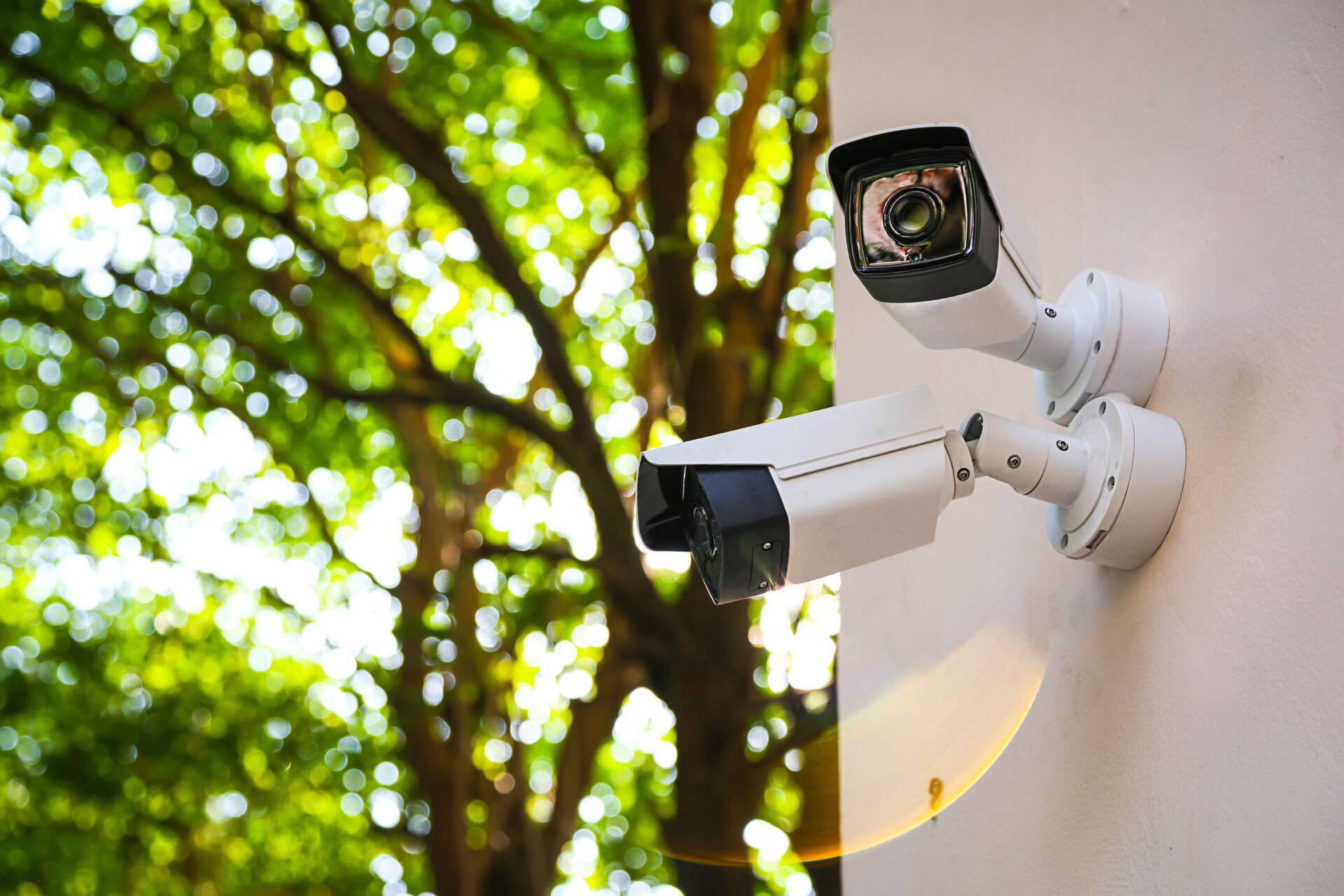
Not all CCTV cameras come equipped with audio recording capabilities. Traditional CCTV cameras were designed purely for visual surveillance, focusing on capturing video footage to monitor spaces and deter criminal activity. However, as technology has advanced, the demand for more comprehensive surveillance solutions has led to the development of CCTV cameras that can also record sound. For a CCTV camera to record audio in a leisure facility, it must have a built-in microphone or be connected to an external microphone. These microphones can capture sounds within a certain range, depending on their quality and sensitivity. The recorded audio is then synced with the video footage, allowing for a more detailed and informative surveillance record. In modern CCTV systems, particularly those used in commercial and high-security settings, the integration of audio recording is becoming more common. These systems often use IP (Internet Protocol) cameras, which can transmit both audio and video data over the internet. This dual capability enhances the effectiveness of the surveillance, providing additional context that might not be evident from video footage alone. It’s important to note that the quality of the audio recorded by CCTV cameras can vary significantly. Factors such as background noise, the quality of the microphone, and the distance from the sound source all play a role in determining the clarity of the recorded audio. Therefore, while CCTV cameras can record sound, the effectiveness of this feature depends largely on the specific equipment used and the environment in which it is installed.
Legal Considerations in the UK
While the technology to record sound with CCTV cameras is available, the legality of doing so is a more complex issue, particularly in the UK. The use of audio recording in Newcastle CCTV surveillance is subject to strict regulations to protect individuals’ privacy rights. Understanding these legal considerations is crucial for anyone considering implementing or using CCTV systems with audio recording capabilities. In the UK, the use of CCTV cameras, including those that can record audio, is governed by several laws and regulations. The most relevant of these include the Data Protection Act 2018, which incorporates the General Data Protection Regulation (GDPR), and the Surveillance Camera Code of Practice. Under the Data Protection Act, audio recordings made by CCTV cameras are considered personal data. This means that if a CCTV system records sound, the operator must comply with data protection laws, ensuring that the audio data is collected, stored, and used in a way that respects individuals’ privacy rights. Specifically, the law requires that CCTV operators have a legitimate reason for recording audio and that they inform individuals that their conversations may be recorded. This is typically done through clear signage indicating that both video and audio recording are in operation. The Surveillance Camera Code of Practice, issued by the Home Office, provides additional guidelines for the use of CCTV systems in public spaces. The code emphasises the need for proportionality and necessity when using audio recording in CCTV systems. It advises that audio recording should only be used where it is essential to achieving the purpose of the surveillance, such as in situations where capturing conversations is necessary to enhance security or for evidentiary purposes. For private individuals using CCTV systems in their homes, the rules are somewhat less stringent but still require careful consideration. If the CCTV system captures audio from outside the property, such as from public spaces or neighbouring properties, the homeowner must ensure they are not infringing on others’ privacy rights. Failure to comply with these regulations can result in legal consequences, including fines and the potential removal of the CCTV system.
Privacy Concerns and Ethical Implications
Beyond the legal considerations, the use of CCTV cameras to record sound raises significant privacy and ethical concerns. Audio recording is inherently more intrusive than video recording, as it captures conversations that individuals may expect to remain private. This has led to ongoing debates about the balance between security and privacy in the context of surveillance. One of the primary ethical concerns is the potential for misuse of audio recordings. Conversations captured by CCTV cameras could contain sensitive or personal information that, if improperly accessed or disclosed, could harm individuals. For example, in a workplace setting, employees might feel uncomfortable knowing that their private discussions could be recorded and reviewed by their employer. This creates a chilling effect, where individuals might alter their behaviour out of fear that their conversations are being monitored. Moreover, the widespread use of audio-enabled CCTV systems could lead to a culture of surveillance, where individuals feel constantly watched and listened to. This has significant implications for personal freedom and autonomy, as people may begin to censor themselves in public and private spaces alike. To address these concerns, it is essential that CCTV operators implement strict controls over the use of audio recording. This includes ensuring that audio recording is only used when absolutely necessary, that access to the recordings is restricted to authorised personnel, and that the recordings are stored securely and deleted when no longer needed. Transparency is also key; individuals must be clearly informed when they are in an area where audio recording is taking place, allowing them to make informed decisions about their actions and conversations.
Benefits of Audio Recording in CCTV Systems
Despite the legal and ethical challenges, there are several benefits to incorporating audio recording into CCTV systems. These benefits are particularly relevant in specific contexts where additional security measures are necessary or where audio evidence can play a crucial role in understanding events. One of the most significant advantages of audio recording is its ability to provide context to visual footage. In many cases, video alone might not be sufficient to fully understand a situation. For instance, in a dispute or altercation, audio recordings can clarify what was said, helping to determine intent or assess the severity of the incident. This can be particularly valuable in legal proceedings, where the combination of audio and video evidence can strengthen a case. In retail environments, audio recording can be used to monitor interactions between staff and customers. This can help in identifying instances of harassment, discrimination, or inappropriate behaviour, thereby protecting both employees and customers. Additionally, audio recordings can assist in training staff, allowing management to review customer service interactions and provide constructive feedback. In high-security settings, such as banks, airports, or government buildings, audio recording can enhance overall security by enabling the detection of suspicious conversations or activities. This added layer of surveillance can help prevent crimes, such as theft, fraud, or terrorism, by allowing security personnel to respond quickly to verbal threats or suspicious behaviour. However, it is important to reiterate that the benefits of audio recording must be carefully weighed against the potential risks to privacy. The decision to implement audio-enabled CCTV systems should be made with caution, ensuring that the use of audio recording is justified, proportionate, and compliant with all relevant laws and regulations.
Alternatives to Audio Recording
For those concerned about the privacy implications of audio recording, there are alternative approaches to enhancing CCTV surveillance without capturing sound. One such alternative is the use of advanced video analytics. These systems can detect and analyse specific behaviours or patterns in video footage, such as loitering, unusual movement, or the presence of certain objects. While these systems do not provide the same level of detail as audio recordings, they can still significantly enhance the effectiveness of CCTV surveillance. Another alternative is the use of silent alarms or panic buttons, which allow individuals to alert security personnel without the need for audio recording. These systems can be particularly effective in environments where privacy is a major concern, such as in schools, hospitals, or residential settings. Furthermore, CCTV systems can be integrated with other security measures, such as access control systems, to create a comprehensive security solution that does not rely on audio recording. For example, a CCTV system can be linked to a door entry system, allowing security personnel to monitor and control access to a building without capturing audio.
Contact The Experts
While CCTV cameras can indeed record sound, the decision to use this capability should not be taken lightly. The ability to capture audio adds a powerful tool to the arsenal of surveillance systems, providing additional context and detail that can be invaluable in certain situations. However, the use of audio recording in CCTV systems is fraught with legal, ethical, and privacy concerns, particularly in the UK where strict regulations govern the collection and use of personal data. Before implementing an audio-enabled CCTV system in Sunderland, it is essential to consider whether the benefits outweigh the potential risks and to ensure compliance with all relevant laws and regulations. For those who decide to use audio recording, it is crucial to implement robust safeguards to protect individuals’ privacy and to use the technology responsibly. Ultimately, the decision to use CCTV with audio recording should be guided by a careful assessment of the specific needs of the situation, balanced against the need to respect individuals’ privacy rights. By taking a thoughtful and informed approach, it is possible to harness the benefits of this technology while minimising its potential downsides.