
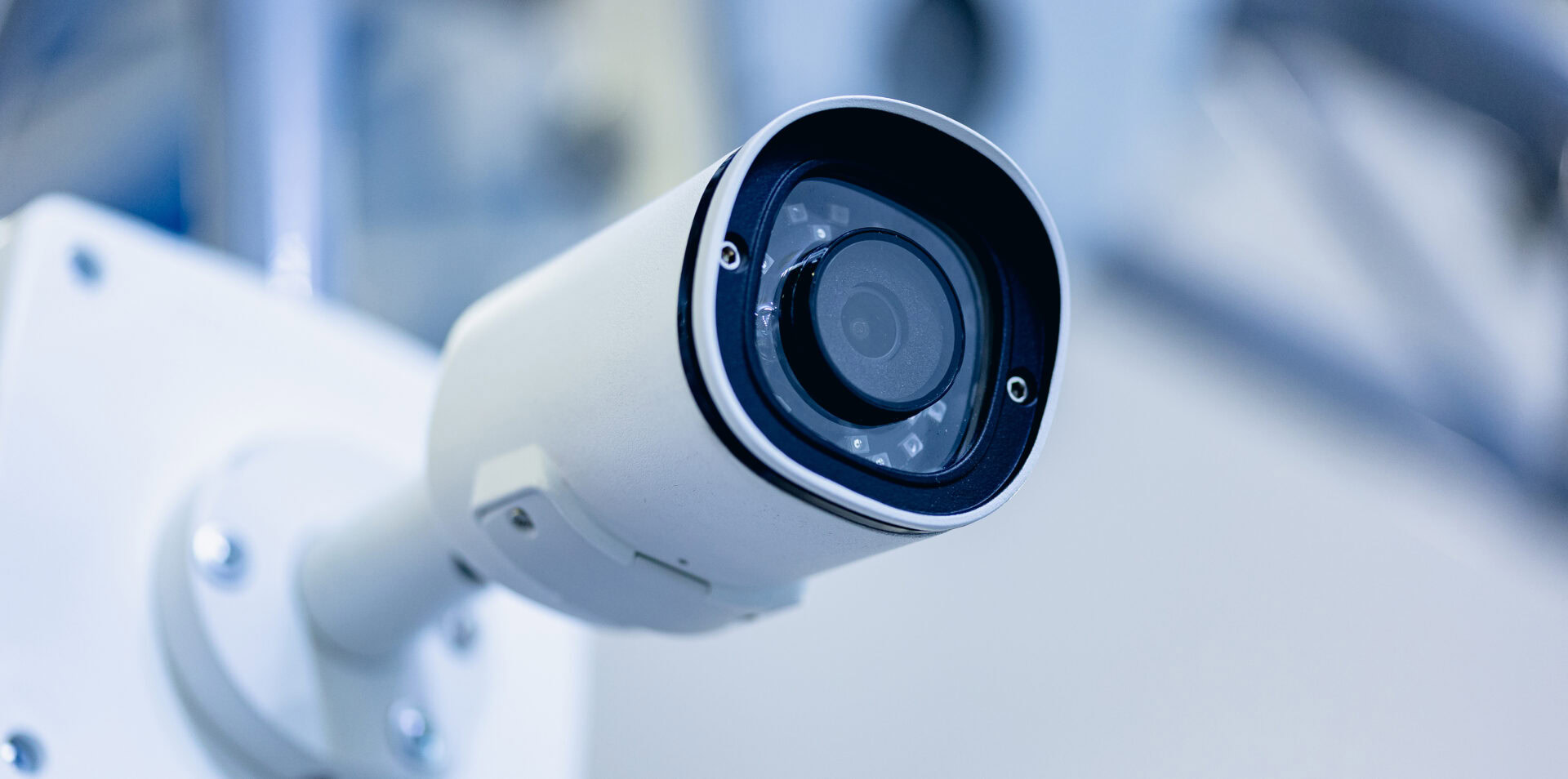



The Importance of CCTV Maintenance
CCTV cameras play a pivotal role in deterring crime and providing vital evidence if incidents occur. However, it is easy to overlook the need for regular servicing once the system is installed and functioning. Many assume that a CCTV system will continue to operate without issue for years, but this is not the case. Without routine checks and maintenance, the effectiveness of the cameras can degrade over time. One of the main reasons maintenance is essential is because cameras and recording equipment are susceptible to wear and tear. Weather conditions, dirt, dust, and vandalism can all compromise the performance of outdoor cameras, leading to issues such as blurry footage, malfunctioning components, or even complete system failure. In addition, software updates are required to keep the system compatible with the latest technology and security standards. Over time, even indoor CCTV systems may suffer from problems such as storage malfunctions, connectivity issues, or the failure of individual cameras. A CCTV system that is not regularly serviced is more likely to miss crucial moments or provide unusable footage. For those who rely on CCTV as part of a comprehensive security strategy, this can have serious consequences. Regular servicing ensures that your system is always in top working condition, giving you peace of mind and helping you avoid costly repairs in the long run.
Factors Influencing the Frequency of CCTV Servicing
How often you should service your CCTV system depends on several factors, including the location of the cameras, the environment they are exposed to, and the type of system you have in place. It’s important to tailor your maintenance schedule based on these factors to ensure your system operates effectively for years to come.
Location of the CCTV Cameras
The location of your cameras plays a significant role in determining how often they should be serviced. For example, outdoor cameras are exposed to harsh weather conditions such as rain, wind, and snow, as well as potential damage from vandals. The lenses may accumulate dirt or debris over time, which can obstruct the camera’s view and reduce the quality of the footage. Cameras in high-traffic areas, especially those used in commercial or industrial settings, may also experience more wear and tear due to constant activity. Indoor cameras, on the other hand, are typically less exposed to the elements and may require less frequent servicing. However, they are not immune to dust, humidity, or electrical issues, which can also affect their performance. Whether indoors or outdoors, all cameras need to be inspected periodically to ensure they are clean, well-positioned, and functioning properly.
Type of System
The type of CCTV system you have installed can also influence how often it needs to be serviced. Modern CCTV systems can vary in complexity, from basic analog systems to more advanced digital and IP-based solutions. Systems with more components, such as multiple cameras, motion sensors, and integrated alarms, may require more frequent checks to ensure everything is running smoothly. Analogue systems, which rely on physical connections and older technology, may be more prone to hardware malfunctions or signal loss, which makes regular servicing even more critical. Conversely, IP-based systems that operate over networks may need periodic software updates, as well as checks to ensure the cameras are properly connected to the network and that no interruptions in data transmission occur. Regular updates and maintenance of the system’s software and firmware are crucial to ensuring optimal performance and preventing cyber vulnerabilities.
Environment
The environment in which your CCTV system operates can also impact the frequency of servicing. In dusty, humid, or industrial areas, cameras are more likely to be affected by debris, corrosion, or other environmental factors. For instance, cameras placed near construction sites, factories, or areas with heavy pollution may require more frequent cleaning and servicing to prevent any buildup that could impair their functionality. In comparison, cameras in cleaner, climate-controlled environments may need less frequent attention. In addition, extreme temperature fluctuations can affect the internal components of the cameras. For systems placed in areas with very cold winters or hot summers, it’s important to regularly check that the cameras are weatherproof and that any heating or cooling mechanisms within the cameras are working as intended.
Recommended CCTV Servicing Schedule
While the specific frequency of servicing will depend on the factors mentioned above, as a general rule, CCTV systems should be serviced at least once a year. This annual service should include a thorough inspection of all cameras, connections, recording equipment, and software to ensure that everything is functioning correctly. However, for more complex or high-risk environments, such as large commercial premises, industrial sites, or public spaces, it may be advisable to service the system every six months. Regular inspections will allow you to catch potential issues early, such as faulty wiring, camera misalignment, or problems with data storage. In high-traffic areas or environments prone to vandalism, it may even be beneficial to conduct quarterly maintenance checks. Some CCTV providers may also offer remote monitoring services, allowing them to perform virtual checks on your system more frequently. This can help to identify any software issues or camera malfunctions before they become serious problems. For larger systems, combining remote monitoring with regular physical maintenance can provide a more comprehensive approach to CCTV system upkeep.
What Happens During a CCTV Service?
A professional CCTV service typically involves a series of checks to ensure that all components of the system are working as they should. This process may vary slightly depending on the type of system you have, but it generally includes the following steps:
- Visual Inspection – The technician will visually inspect all the cameras, ensuring they are positioned correctly and that the lenses are clean. They will also check for any signs of physical damage or wear and tear, such as cracks in the camera casing or corrosion of the mounts.
- Camera Functionality Check – Each camera will be tested to ensure it is capturing high-quality footage. The technician will check for clarity of the image, ensuring there is no blurring or distortion, and that the camera’s field of view is unobstructed. Any issues with focus, zoom, or night vision capabilities will also be addressed during the service.
- Connections and Wiring – The integrity of the wiring and connections is critical to the smooth operation of your CCTV system. The technician will inspect the wiring for any signs of fraying, loose connections, or damage that could lead to signal loss or equipment failure.
- Storage and Recording Equipment – Recording devices such as digital video recorders (DVRs) or network video recorders (NVRs) will be checked to ensure they are storing footage correctly. This includes testing the hard drives, ensuring there is adequate storage space available, and verifying that footage is being backed up as required.
- Software and Firmware Updates – If you have an IP-based CCTV system, the technician will check that the system’s software and firmware are up-to-date. Regular updates are essential to protect your system from security vulnerabilities and to ensure that all features and integrations are functioning as intended.
- Security and Remote Access – If your CCTV system is accessible remotely via a smartphone or computer, the technician will check that all remote access points are secure. This includes ensuring that the system’s passwords are updated and that no unauthorised users can gain access to the system.
Benefits of Regular CCTV Servicing
Servicing your CCTV system regularly offers numerous benefits that go beyond simply ensuring it works as expected. One of the main advantages is the increased lifespan of the equipment. By identifying and addressing potential issues early, you can avoid the cost of major repairs or complete system replacement. Another benefit is the assurance that your system is capturing high-quality footage at all times. This is particularly important for businesses, where having clear and reliable video evidence can make all the difference in resolving disputes or prosecuting criminal activity. In residential settings, regular servicing provides peace of mind, knowing that your family and property are protected by a fully functional system. In addition, regular servicing can help you stay compliant with any legal or insurance requirements. In some cases, businesses may be required to demonstrate that their CCTV system is well-maintained and functioning properly as part of their insurance policy or health and safety regulations. Finally, regular maintenance can enhance the overall security of your property. A well-maintained CCTV system serves as a greater deterrent to potential intruders, as they are less likely to target a location with a visible and functioning security setup. Additionally, if an incident does occur, you can rest assured that your system is more likely to provide the crucial evidence needed to investigate and resolve the situation.
Contact The Experts
CCTV systems are a vital part of modern security infrastructure, but to ensure they remain effective, regular servicing is essential. The frequency of servicing will depend on factors such as the location of the cameras, the environment, and the complexity of the system. As a general guideline, an annual service is recommended, with more frequent checks advised for larger or high-risk installations. By keeping your CCTV system in top condition, you not only extend its lifespan but also ensure that it continues to provide reliable protection for your property. With regular inspections, cleaning, and updates, your CCTV system can remain a powerful tool in your overall security strategy for years to come.
Contact the team at Inspired CCTV today to discuss your needs and find out how we can assist you in achieving your security objectives while maintaining compliance with legal and ethical standards.